
Retatrutide vial
Retatrutide Vial: Research, Science and Essential Information
Welcome to Retatrutide Core, an educational resource dedicated to understanding retatrutide vial research, peptide science and emerging metabolic treatments. Retatrutide has attracted considerable scientific attention. Moreover, researchers are investigating its potential role in weight management, metabolic health and blood glucose regulation. However, understanding its clinical status remains essential before considering any information about this investigational medication.
What Is Retatrutide?
Retatrutide is an investigational medication developed by Eli Lilly. Interestingly, it belongs to a class of medicines known as triple hormone receptor agonists. Specifically, it activates three important receptors in the body.
These include:
- GLP-1 receptors: Involved in appetite regulation and blood glucose control.
- GIP receptors: Associated with insulin secretion and metabolic regulation.
- Glucagon receptors: Involved in energy metabolism and glucose regulation.
Consequently, researchers are studying how these three pathways interact. Furthermore, clinical trials are evaluating its potential applications in different metabolic conditions.
Understanding Retatrutide Vial Research
A retatrutide vial is a term commonly encountered in online discussions about this investigational peptide. Nevertheless, a vial’s appearance does not establish its identity, quality or suitability for human use.
For this reason, understanding the difference between research material and an authorised medicine is particularly important. Moreover, legitimate pharmaceutical products require appropriate manufacturing controls and regulatory oversight.
Currently, retatrutide remains investigational. Therefore, products advertised online as injectable retatrutide should not be assumed to represent approved medicines.
How Does Retatrutide Work?
The scientific interest surrounding retatrutide comes from its three-receptor mechanism. Unlike medicines targeting only one or two hormone receptors, it activates three pathways simultaneously.
First, GLP-1 receptor activity contributes to appetite and glucose regulation. Additionally, GIP receptor activity influences insulin responses. Meanwhile, glucagon receptor activity contributes to energy metabolism.
Together, these mechanisms create an interesting research opportunity. However, their combined effects require careful evaluation through controlled clinical studies.
Retatrutide Peptide Research and Clinical Studies
Retatrutide clinical research continues to examine its potential applications. In particular, researchers are investigating obesity, type 2 diabetes and related metabolic conditions.
Furthermore, Phase 3 clinical trials have reported encouraging findings. These results have increased scientific interest in its development. Nevertheless, trial findings do not automatically establish long-term safety or regulatory approval.
In July 2026, Eli Lilly reported positive results from two additional Phase 3 trials. Moreover, the company announced plans to submit an application to the FDA in early 2027.
Therefore, the scientific evidence continues to develop. Readers should consult updated clinical publications and official regulatory announcements for reliable information.
Important Safety and Regulatory Considerations
Safety remains an essential consideration when researching any investigational medication. Although clinical trials assess possible benefits, they also investigate adverse reactions and other risks.
For example, gastrointestinal symptoms have been reported during retatrutide clinical research. These include nausea, vomiting, diarrhoea and constipation.
Furthermore, unverified injectable products may contain incorrect ingredients or contaminants. Consequently, online product descriptions and laboratory claims should never replace regulatory verification.
Importantly, retatrutide has not received marketing authorisation for human use. Therefore, it should not be presented as an approved treatment or marketed for self-administration.
Understanding Peptide Quality and Scientific Information
When evaluating retatrutide peptide information, readers should examine the credibility of every available source. In addition, they should distinguish laboratory terminology from evidence of pharmaceutical quality.
A certificate of analysis, for example, may provide information about particular laboratory measurements. However, it does not independently establish regulatory approval, clinical safety or suitability for injection.
Similarly, product photographs cannot confirm a substance’s identity. Therefore, reliable scientific information should always take priority over promotional claims.
Frequently Asked Questions About Retatrutide
Is retatrutide approved for human use?
No. Retatrutide remains an investigational medication. Consequently, it is not an approved treatment for obesity or diabetes.
What makes retatrutide different from other metabolic medications?
Retatrutide activates GLP-1, GIP and glucagon receptors. In comparison, some existing medications target fewer hormone pathways.
Is a retatrutide vial automatically safe?
No. A vial’s label does not prove its contents or quality. Therefore, unverified injectable products present potential health risks.
Where can I find reliable retatrutide research?
Consult official clinical trial records, peer-reviewed medical publications and regulatory authorities. Additionally, follow announcements from the medicine’s developer.
Explore Reliable Scientific Information
At Retatrutide Core, our educational approach prioritises scientific accuracy, transparency and responsible information. Moreover, we recognise the importance of understanding emerging peptide research without confusing experimental findings with established medical treatments.
Ultimately, informed decisions require credible evidence. Therefore, continue exploring retatrutide vial research, clinical developments and relevant safety information through recognised medical and scientific sources.
Showing all 6 results
-
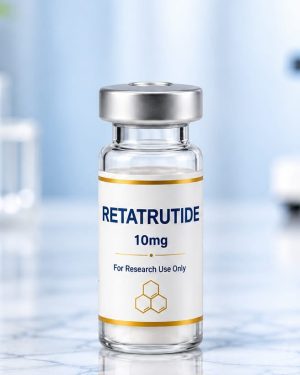
10mg retatrutide vial
€65.00 -
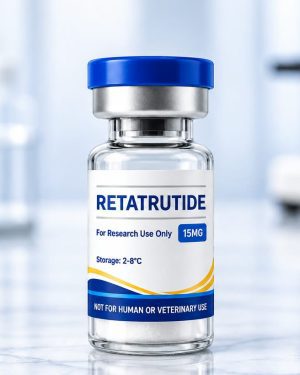
15mg Retatrutide Vial
€85.00 -
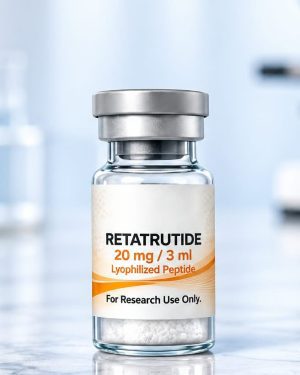
20mg Retatrutide vial
€105.00 -
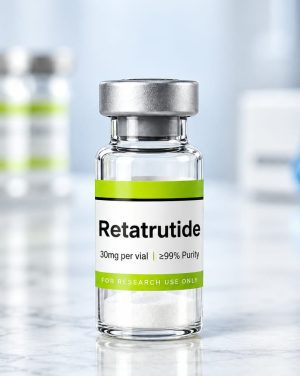
30mg Retatrutide vial
€125.00 -
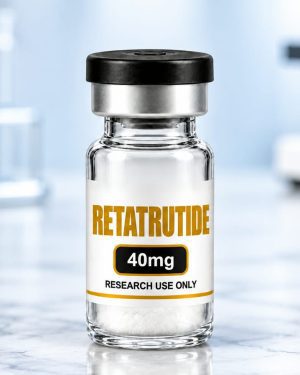
40mg Retatrutide vial
€140.00 -
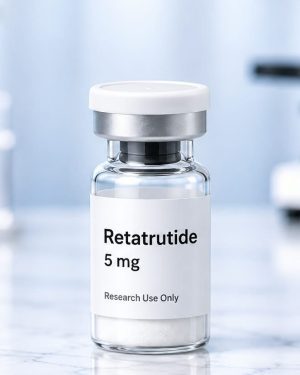
5mg Retatrutide vial
€45.00